Foot Facts
Are foot problems widespread?
Seventy-five percent of Canadians will experience foot health problems of varying degrees of severity at one time or another in their lives.
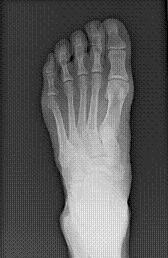
Are feet complicated?The foot is an intricate structure containing 26 bones. Thirty-three joints, 107 ligaments, 19 muscles, and tendons hold the structure together and allow it to move in a variety of ways. Are there a lot of bones in feet?The 52 bones in your feet make up about one quarter of all the bones in your body. Do more women have foot problems then men?Women have about four times as many foot problems as men; lifelong patterns of wearing high heels often are the culprit. |
 |
|
How much pressure goes into your foot while you are walking?
There are times when you're walking that the pressure on your feet exceeds your body weight, and when you're running, it can be three or four times your weight.
What tips should I follow when shopping for shoes?
Shopping for shoes is best done in the afternoon. Your feet tend to swell a little during the day, and it's best to buy shoes to fit them then. Have your feet measured every time you purchase shoes, and do it while you're standing. When you try on shoes, try them on both feet; many people have one foot larger than the other, and it's best to fit the larger one.
How should toenails be trimmed?
Trim your toenails straight across with clippers specially designed for the purpose. Leave them slightly longer than the tips of your toes.
What exercise is safe for your feet and good for your overall health?
Walking is the best exercise for your feet. It also contributes to your general health by improving circulation, contributing to weight control and promoting all-around well being.

Can serious medical problems first show up in the feet?
Your feet mirror your general health. Such conditions as arthritis, diabetes, nerve and circulatory disorders can show their initial symptoms in the feet -- so foot ailments can be your first sign of more serious medical problems.
What are corns and calluses?
Corns and calluses are caused by friction and pressure from skin rubbing against bony areas when wearing shoes. If the first signs of soreness are ignored, corns and calluses rise up as nature's way of protecting sensitive areas.
How much sweat do your feet produce each day?
There are approximately 250,000 sweat glands in a pair of feet, and they excrete as much as half a pint of moisture each day.
What are plantar warts?
Plantar warts are caused by a virus which may invade the sole of the foot through cuts and breaks in the skin. Walking barefoot on dirty pavements or littered ground can expose feet to this sometimes painful skin infection.
Are foot problems widespread?
About 19 percent of the US population has an average of 1.4 foot problems each year.
Do many people have athlete's foot or other foot infections?
About 5 percent of the population has foot infections, including athlete's foot, other fungal infections, and warts each year.
Do many people have ingrown toenails?
About 5 percent of the US population has ingrown toenails or other toenail problems each year.
Are corns and calluses common?
About 5 percent of our population have corns or calluses each year. Of the three major types of foot problems (infections, toenails, and corns and calluses), people are less likely to receive treatment for corns and calluses and more likely to continue to have corns and calluses as a problem without treatment.
Do many people suffer from fallen arches or injuries to their feet?
About 6 percent of our population has foot injuries, bunions, and flat feet or fallen arches each year.
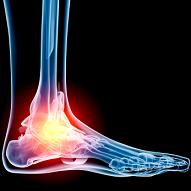
What are the most frequently occurring foot problems?About 60 percent of all foot and ankle injuries, reported by people older than 17, were sprains and strains of the ankle. Does income affect foot health?As a person's income increases, the prevalence of foot problems decreases. |
|
|